
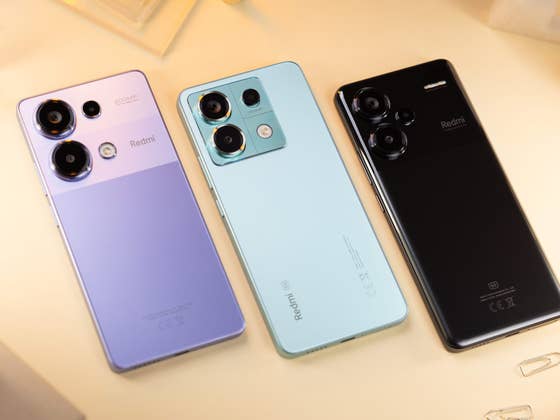
Les smartphones Redmi de Xiaomi sont les principaux concurrents des modèles Galaxy A de Samsung sur le marché milieu et entrée de gamme. En 2024, ce ne sont pas moins de cinq nouveaux modèles qui nous font face. 

Sommaire:

Gamme Redmi Note 13: Écran et design

La gamme Redmi Note 13 couvre le grand écart entre les smartphones d’entrée de gamme et les smartphones haut de gamme, et il existe un certain nombre de différences au niveau du design. Attendez-vous à trouver un modèle de base entièrement en plastique, tandis que les modèles Pro sont dotés d’un dos en verre. Pour le Redmi Note 13 Pro+, Xiaomi propose une option « cuir végétal » au toucher doux dans la couleur violette.

Xiaomi Redmi Note 13 Pro+ 5G
Le dos du Xiaomi Redmi Note 13 Pro+ 5G / © nextpit Image source: nextpit

En ce qui concerne le modèle Note 13 Pro+ 5G, il est le seul à être classé IP68 pour la résistance à l’eau et à la poussière, les autres modèles n’étant certifiés que IP54 pour la résistance aux éclaboussures. Enfin, le modèle Plus est le seul à disposer d’un écran incurvé, tous les autres Redmi Note 13 étant dotés d’un écran plat.
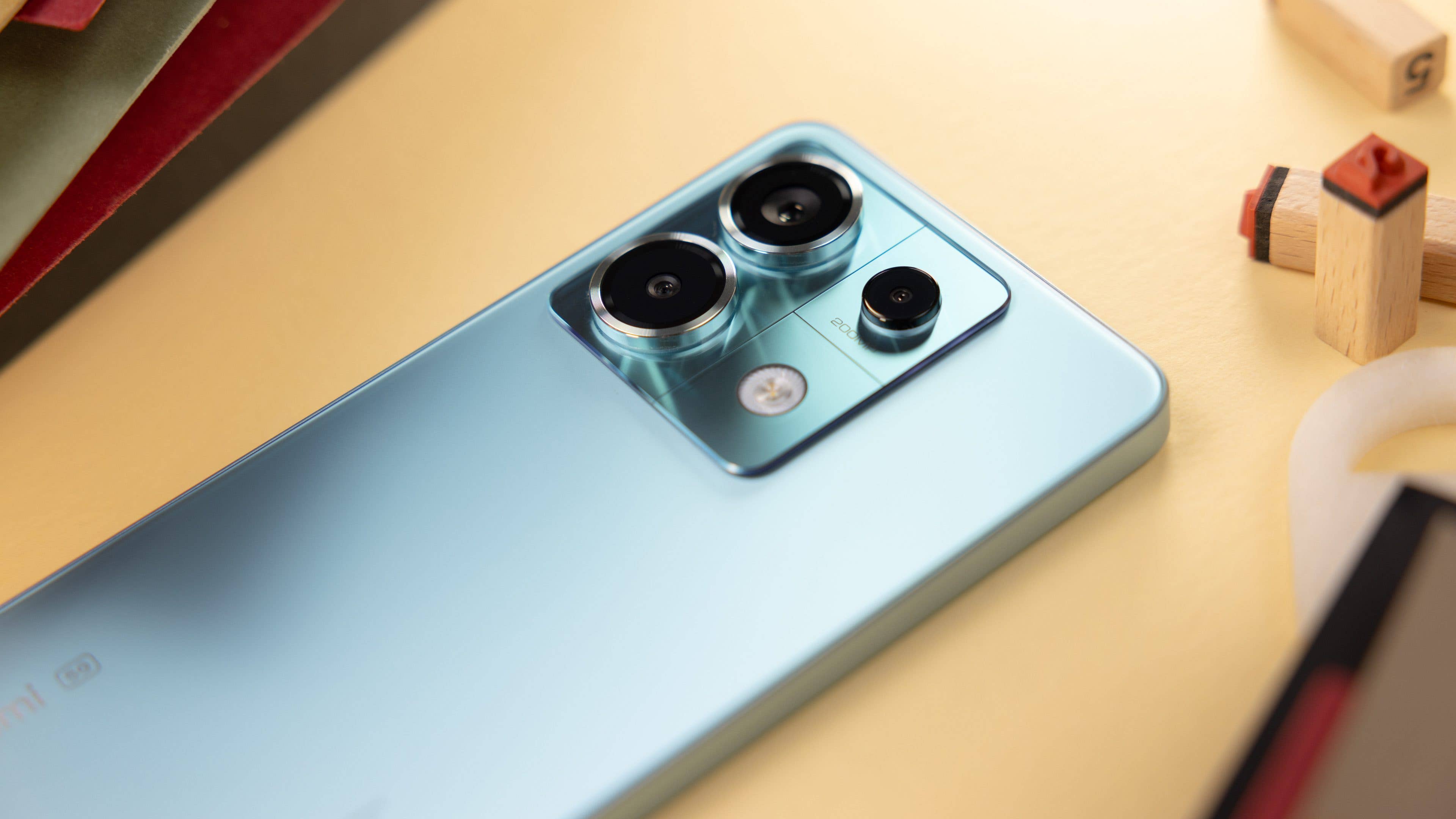
Redmi Note 13 Pro 5G
Le Redmi Note 13 Pro 5G semble plus sophistiqué qu’il ne l’est en réalité / © nextpit

En ce qui concerne l’écran, Xiaomi a opté pour une dalle AMOLED de 6,67 pouces avec un taux de rafraîchissement de 120 Hz. En y regardant de plus près, on constate toutefois une légère différence de résolution, les modèles de base offrant un écran FullHD+ (2400 x 1080 pixels) et les modèles 5G Pro affichant une résolution inhabituelle de 2712 x 1220 pixels. Compte tenu de la taille de l’écran, certaines personnes remarqueront probablement la plus grande densité de pixels sur les modèles les plus chers.
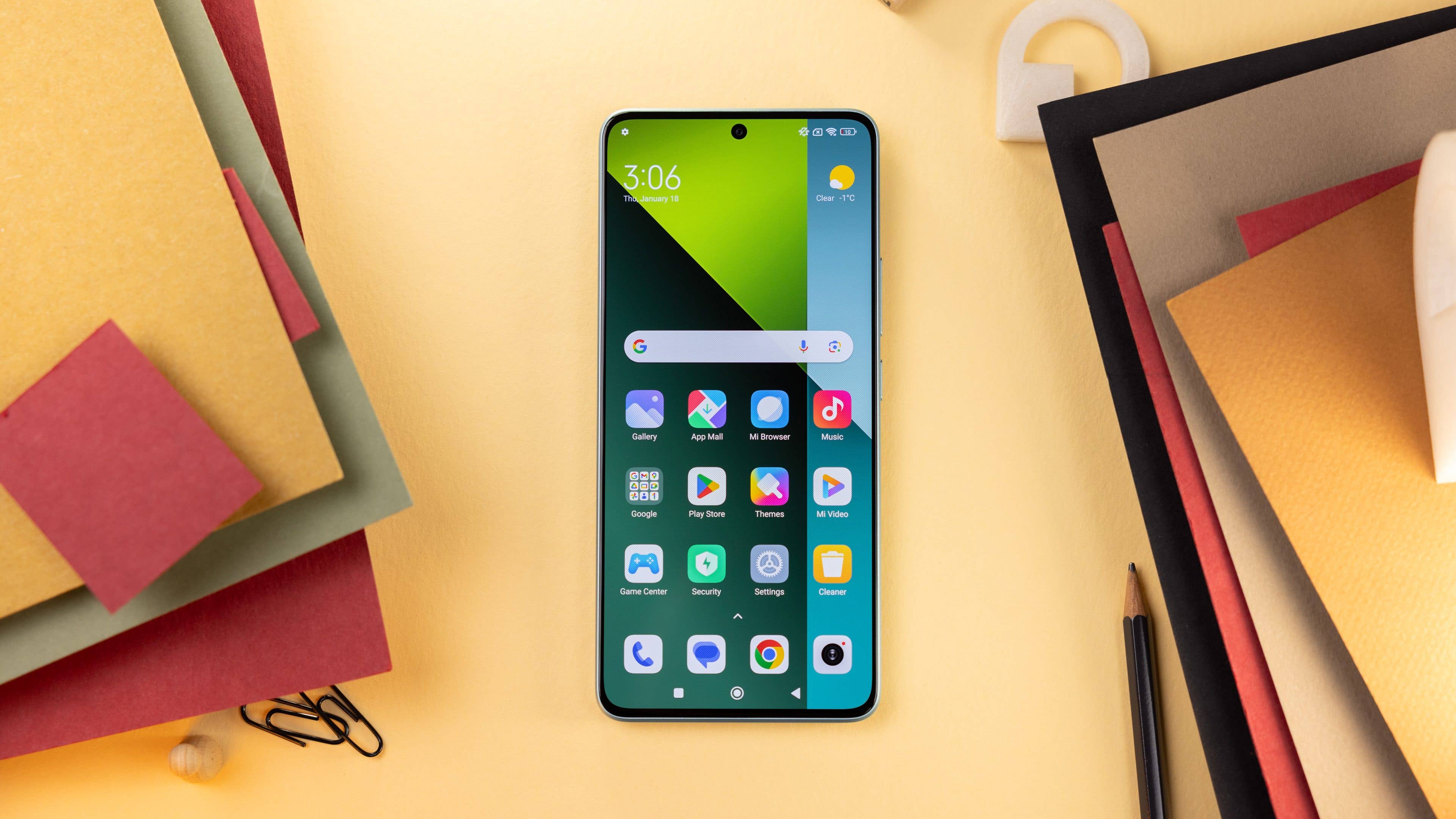
Redmi Note 13 Pro 5G
Les bords du Note 13 Pro sont plus fins que ceux de ses prédécesseurs / © nextpit

Gamme Redmi Note 13: Performances et connectivité

Ce n’est pas en 2024 que la gamme Redmi Note abandonnera la 4G. Xiaomi ne proposera probablement que des modèles 5G dans certains pays, mais les listes en ligne mentionnent au moins deux modèles 4G pour la série Redmi Note 13.

Le Redmi Note 13 4G est équipé d’un Snapdragon 685 plutôt ancien (une petite amélioration par rapport au Snapdragon 680 de 2021). Le Redmi Note 13 Pro 4G, quant à lui, serait équipé d’un MediaTek Helio G99 Ultra (également une petite mise à jour d’une puce de 2021, l’Helio G96). Dans les deux cas, les performances devraient être compétitives par rapport à la gamme de prix, compte tenu également de l’utilisation de normes relativement rapides pour le stockage et la RAM.
Le logo du SoC Qualcomm Snapdragon 7s Gen 2
Le Snapdragon 7s Gen 2 fait ses débuts avec le Redmi Note 13 Pro 5G. / © Xiaomi

Le Redmi Note 13 5G de base est équipé d’un SoC 5G MediaTek Dimensity 6080 qui, sur le papier, est un die-shrink TSMC N6 de la puce Dimensity 700/6020 (2020) de classe 7nm. Les spécifications du processeur, du GPU et de l’imagerie sont à peu près équivalentes à celles du Helio G99 Ultra.

Les performances deviennent plus sérieuses sur les modèles Redmi Note Pro 5G et Pro+ 5G. Le premier marque la première utilisation du nouveau processeur Snapdragon 7s Gen 2. Malgré son nom, la puce n’est pas une mise à niveau du Snapdragon 7+ Gen 2 que l’on trouve sur le Poco F5, mais plutôt une version mise à jour du Snapdragon 780G/778G/782G, avec des cœurs Cortex-A78 plus anciens et plus performants sur le processus de classe 4nm de Samsung.

Le Redmi Note 13 Pro+ utilise également une puce 4 nm, en l’occurrence une puce MediaTek Dimensity 7200 Ultra fabriquée selon le processus N4 de pointe de TSMC. La puce 7200 Ultra devrait offrir de meilleures performances avec des cœurs ARM plus modernes, mais aussi une meilleure efficacité énergétique, mais les différences constatées durant nos tests étaient trop infimes pour avoir un réel impact.

Gamme Redmi Note 13: Module photo

Le module photo du Redmi Note 13 Pro 4G
Les objectifs photo sont logés dans des îlots surdimensionnés, mais un seul d’entre eux en vaut le coup / © nextpit

Xiaomi a conservé pour la famille Redmi Note 13 la même stratégie que celle utilisée pour la gamme Note 12 de 2023: Plus c’est GROS, mieux c’est. Les cinq modèles proposent une configuration à trois caméras, avec des objectifs ultra grand angle de 8 mégapixels et des capteurs macro de 2 mégapixels. Les caméras selfie sont toutes de 16 mégapixels, mais oubliez-les, tout ce qui compte, ce sont les objectifs principaux.

Les modèles de base du Redmi Note 13 offrent des capteurs principaux de 108 mégapixels, avec une ouverture f/1,75, dans le but de battre les modèles concurrents en termes de nombre de pixels. La taille des capteurs – et par conséquent celle des pixels – étant relativement petite, il faut s’attendre à un important regroupement de pixels pour obtenir des photos exploitables, avec des résolutions finales inférieures à 20 mégapixels.


Xiaomi Redmi Note 13 4G: Objectif principal
Quelle: nextpit
Xiaomi Redmi Note 13 4G: Objectif ultra-grand angle (0,6x)
Quelle: nextpit
Xiaomi Redmi Note 13 4G: Objectif principal (zoom numérique 2x)
Quelle: nextpit
Xiaomi Redmi Note 13 4G: Objectif principal (zoom numérique 3x)
Quelle: nextpit
Xiaomi Redmi Note 13 4G: Objectif principal (zoom numérique 10x)
Quelle: nextpit
Xiaomi Redmi Note 13 4G: Objectif ultra-grand angle (0,6x)
Quelle: nextpit
Xiaomi Redmi Note 13 4G: Objectif principal
Quelle: nextpit
Xiaomi Redmi Note 13 4G: Objectif principal (zoom numérique 2x)
Quelle: nextpit
Xiaomi Redmi Note 13 4G: Objectif principal (zoom numérique 3x)
Quelle: nextpit
Xiaomi Redmi Note 13 4G: Objectif principal (zoom numérique 10x)
Quelle: nextpit
Xiaomi Redmi Note 13 4G: Objectif ultra-grand angle (0,6x)
Quelle: nextpit
Xiaomi Redmi Note 13 4G: Objectif principal
Quelle: nextpit
Xiaomi Redmi Note 13 4G: Objectif principal - Mode nuit
Xiaomi Redmi Note 13 4G: Objectif principal – Mode nuit
Quelle: nextpit
Xiaomi Redmi Note 13 4G: Objectif principal (zoom numérique 2x)
Quelle: nextpit
Xiaomi Redmi Note 13 4G: Objectif principal (zoom numérique 3x)
Quelle: nextpit
Xiaomi Redmi Note 13 4G: Objectif principal (zoom numérique 10x)
Quelle: nextpit
Xiaomi Redmi Note 13 4G: Objectif ultra-grand angle (0,6x)
Quelle: nextpit
Xiaomi Redmi Note 13 4G: Objectif principal
Quelle: nextpit
Xiaomi Redmi Note 13 4G: Objectif principal (zoom numérique 2x)
Quelle: nextpit
Xiaomi Redmi Note 13 4G: Objectif principal (zoom numérique 3x)
Quelle: nextpit
Xiaomi Redmi Note 13 4G: Objectif principal (zoom numérique 10x)
Quelle: nextpit
Xiaomi Redmi Note 13 4G: Objectif ultra-grand angle (0,6x)
Quelle: nextpit
Xiaomi Redmi Note 13 4G: Objectif principal
Quelle: nextpit
Xiaomi Redmi Note 13 4G: Objectif principal - Mode nuit
Xiaomi Redmi Note 13 4G: Objectif principal – Mode nuit
Quelle: nextpit
Xiaomi Redmi Note 13 4G: Objectif principal (zoom numérique 2x)
Quelle: nextpit
Xiaomi Redmi Note 13 4G: Objectif principal (zoom numérique 3x)
Quelle: nextpit
Xiaomi Redmi Note 13 4G: Objectif principal (zoom numérique 10x)
Quelle: nextpit
Xiaomi Redmi Note 13 4G: Objectif ultra-grand angle (0,6x)
Quelle: nextpit
Xiaomi Redmi Note 13 4G: Objectif principal
Quelle: nextpit
Xiaomi Redmi Note 13 4G: Objectif principal - Mode nuit
Xiaomi Redmi Note 13 4G: Objectif principal – Mode nuit
Quelle: nextpit
Xiaomi Redmi Note 13 4G: Objectif principal (zoom numérique 2x)
Quelle: nextpit
Xiaomi Redmi Note 13 4G: Objectif principal (zoom numérique 3x)
Quelle: nextpit
Xiaomi Redmi Note 13 4G: Objectif principal (zoom numérique 10x)
Quelle: nextpit
Xiaomi Redmi Note 13 4G: Selfie
Quelle: nextpit
Xiaomi Redmi Note 13 4G: Selfie - Mode portrait
Xiaomi Redmi Note 13 4G: Selfie – Mode portrait
Quelle: nextpit
Xiaomi Redmi Note 13 4G: Selfie
Quelle: nextpit
Xiaomi Redmi Note 13 4G: Selfie - Mode portrait
Xiaomi Redmi Note 13 4G: Selfie – Mode portrait
Quelle: nextpit

Le véritable clou du spectacle, cependant, est l’énorme capteur de 200 MP utilisé dans les modèles Redmi Note 13 Pro. Xiaomi est souvent le premier à adopter les nouveaux capteurs haute résolution fabriqués par Samsung, généralement avant ses propres modèles de milieu de gamme. Le Note 13 Pro est équipé d’un autre capteur Isocell HM de la société sud-coréenne.


Xiaomi Redmi Note 13 Pro 5G: Objectif principal
Quelle: nextpit
Xiaomi Redmi Note 13 Pro 5G: Objectif ultra-grand angle (0,6x)
Quelle: nextpit
Xiaomi Redmi Note 13 Pro 5G: Objectif principal (2x)
Quelle: nextpit
Xiaomi Redmi Note 13 Pro 5G: Objectif principal (4x)
Quelle: nextpit
Xiaomi Redmi Note 13 Pro 5G: Objectif principal (10x)
Quelle: nextpit
Xiaomi Redmi Note 13 Pro 5G: Objectif ultra-grand angle (0,6x)
Quelle: nextpit
Xiaomi Redmi Note 13 Pro 5G: Objectif principal
Quelle: nextpit
Xiaomi Redmi Note 13 Pro 5G: Objectif principal (2x)
Quelle: nextpit
Xiaomi Redmi Note 13 Pro 5G: Objectif principal (4x)
Quelle: nextpit
Xiaomi Redmi Note 13 Pro 5G: Objectif principal (10x)
Quelle: nextpit
Xiaomi Redmi Note 13 Pro 5G: Objectif ultra-grand angle (0,6x)
Quelle: nextpit
Xiaomi Redmi Note 13 Pro 5G: Objectif principal
Quelle: nextpit
Xiaomi Redmi Note 13 Pro 5G: Objectif principal (2x)
Quelle: nextpit
Xiaomi Redmi Note 13 Pro 5G: Objectif principal (4x)
Quelle: nextpit
Xiaomi Redmi Note 13 Pro 5G: Objectif principal (10x)
Quelle: nextpit
Xiaomi Redmi Note 13 Pro 5G: Objectif ultra-grand angle (0,6x)
Quelle: nextpit
Xiaomi Redmi Note 13 Pro 5G: Objectif principal
Quelle: nextpit
Xiaomi Redmi Note 13 Pro 5G: Objectif principal (2x)
Quelle: nextpit
Xiaomi Redmi Note 13 Pro 5G: Objectif principal (4x)
Quelle: nextpit
Xiaomi Redmi Note 13 Pro 5G: Objectif principal (10x)
Quelle: nextpit
Xiaomi Redmi Note 13 Pro 5G: Objectif ultra-grand angle (0,6x)
Quelle: nextpit
Xiaomi Redmi Note 13 Pro 5G: Objectif principal
Quelle: nextpit
Xiaomi Redmi Note 13 Pro 5G: Objectif principal (2x)
Quelle: nextpit
Xiaomi Redmi Note 13 Pro 5G: Objectif principal (4x)
Quelle: nextpit
Xiaomi Redmi Note 13 Pro 5G: Objectif principal (10x)
Quelle: nextpit
Xiaomi Redmi Note 13 Pro 5G: Objectif ultra-grand angle (0,6x)
Quelle: nextpit
Xiaomi Redmi Note 13 Pro 5G: Objectif principal
Quelle: nextpit
Xiaomi Redmi Note 13 Pro 5G: Objectif principal (4x)
Quelle: nextpit
Xiaomi Redmi Note 13 Pro 5G: Objectif principal (10x)
Quelle: nextpit
Xiaomi Redmi Note 13 Pro 5G: Selfie
Quelle: nextpit
Xiaomi Redmi Note 13 Pro 5G: Selfie - Mode portrait
Xiaomi Redmi Note 13 Pro 5G: Selfie – Mode portrait
Quelle: nextpit
Xiaomi Redmi Note 13 Pro 5G: Selfie
Quelle: nextpit
Xiaomi Redmi Note 13 Pro 5G: Selfie - Mode portrait
Xiaomi Redmi Note 13 Pro 5G: Selfie – Mode portrait
Quelle: nextpit
Xiaomi Redmi Note 13 Pro 5G: Selfie - Mode nuit
Xiaomi Redmi Note 13 Pro 5G: Selfie – Mode nuit
Quelle: nextpit

Comme pour les modèles de base, les capteurs de milieu de gamme du Note 13 Pro sont plus petits que les composants phares utilisés sur les modèles haut de gamme. Par conséquent, ne vous attendez pas à une qualité d’image ou à des performances nocturnes identiques à celles d’un appareil haut de gamme. 

Test photo du Xiaomi Redmi Note 13 Pro+ 5G
Objectif principal
Quelle: nextpit
Test photo du Xiaomi Redmi Note 13 Pro+ 5G
Objectif ultra grand-angle
Quelle: nextpit
Test photo du Xiaomi Redmi Note 13 Pro+ 5G
Objectif principal
Quelle: nextpit
Test photo du Xiaomi Redmi Note 13 Pro+ 5G
Objectif ultra grand-angle
Quelle: nextpit
Test photo du Xiaomi Redmi Note 13 Pro+ 5G
Objectif principal
Quelle: nextpit
Test photo du Xiaomi Redmi Note 13 Pro+ 5G
Objectif ultra grand-angle
Quelle: nextpit
Test photo du Xiaomi Redmi Note 13 Pro+ 5G
Objectif principal, zoom numérique 2x
Quelle: nextpit
Test photo du Xiaomi Redmi Note 13 Pro+ 5G
Objectif principal, zoom numérique 2x
Quelle: nextpit
Test photo du Xiaomi Redmi Note 13 Pro+ 5G
Objectif principal
Quelle: nextpit
Test photo du Xiaomi Redmi Note 13 Pro+ 5G
Objectif ultra grand-angle
Quelle: nextpit
Test photo du Xiaomi Redmi Note 13 Pro+ 5G
Objectif principal, zoom numérique 2x
Quelle: nextpit
Test photo du Xiaomi Redmi Note 13 Pro+ 5G
Objectif principal, zoom numérique 4x
Quelle: nextpit
Test photo du Xiaomi Redmi Note 13 Pro+ 5G
Objectif principal
Quelle: nextpit
Test photo du Xiaomi Redmi Note 13 Pro+ 5G
Objectif ultra grand-angle
Quelle: nextpit
Test photo du Xiaomi Redmi Note 13 Pro+ 5G
Objectif principal, zoom numérique 2x
Quelle: nextpit
Test photo du Xiaomi Redmi Note 13 Pro+ 5G
Objectif principal
Quelle: nextpit
Test photo du Xiaomi Redmi Note 13 Pro+ 5G
Objectif ultra grand-angle
Quelle: nextpit
Test photo du Xiaomi Redmi Note 13 Pro+ 5G
Objectif principal, zoom numérique 2x
Quelle: nextpit
Test photo du Xiaomi Redmi Note 13 Pro+ 5G
Selfie
Quelle: nextpit
Test photo du Xiaomi Redmi Note 13 Pro+ 5G
Selfie, mode portrait
Quelle: nextpit
Test photo du Xiaomi Redmi Note 13 Pro+ 5G
Objectif principal
Quelle: nextpit
Test photo du Xiaomi Redmi Note 13 Pro+ 5G
Objectif principal, mode nuit activé
Quelle: nextpit
Test photo du Xiaomi Redmi Note 13 Pro+ 5G
Objectif ultra grand-angle
Quelle: nextpit
Test photo du Xiaomi Redmi Note 13 Pro+ 5G
Objectif ultra grand-angle, mode nuit activé
Quelle: nextpit
Test photo du Xiaomi Redmi Note 13 Pro+ 5G
Objectif principal, mode nuit activé
Quelle: nextpit
Test photo du Xiaomi Redmi Note 13 Pro+ 5G
Objectif ultra grand-angle, mode nuit activé
Quelle: nextpit
Test photo du Xiaomi Redmi Note 13 Pro+ 5G
Objectif principal
Quelle: nextpit
Test photo du Xiaomi Redmi Note 13 Pro+ 5G
Objectif principal, mode nuit activé
Quelle: nextpit
Test photo du Xiaomi Redmi Note 13 Pro+ 5G
Objectif principal
Quelle: nextpit
Test photo du Xiaomi Redmi Note 13 Pro+ 5G
Objectif principal, mode nuit activé
Quelle: nextpit
Test photo du Xiaomi Redmi Note 13 Pro+ 5G
Objectif ultra grand-angle
Quelle: nextpit
Test photo du Xiaomi Redmi Note 13 Pro+ 5G
Objectif ultra grand-angle, mode nuit activé
Quelle: nextpit

Gamme Redmi Note 13: Interface & OS

Côté logiciel, pas de surprise. Les Redmi Note 13 sortent tous de l’usine avec MIUI 14 sur Android 13. Dans un changement agréable pour 2024, les modèles Pro sont listés sur les pages indiennes comme ayant « 3 mises à jour Android majeures » et « 4 ans de mises à jour des correctifs de sécurité ».

Cette politique de mise à jour l’emporte sur tous les concurrents, à l’exception des nouveaux modèles Galaxy A de Samsung qui offrent quatre mises à jour Android et cinq ans de mises à jour de sécurité.
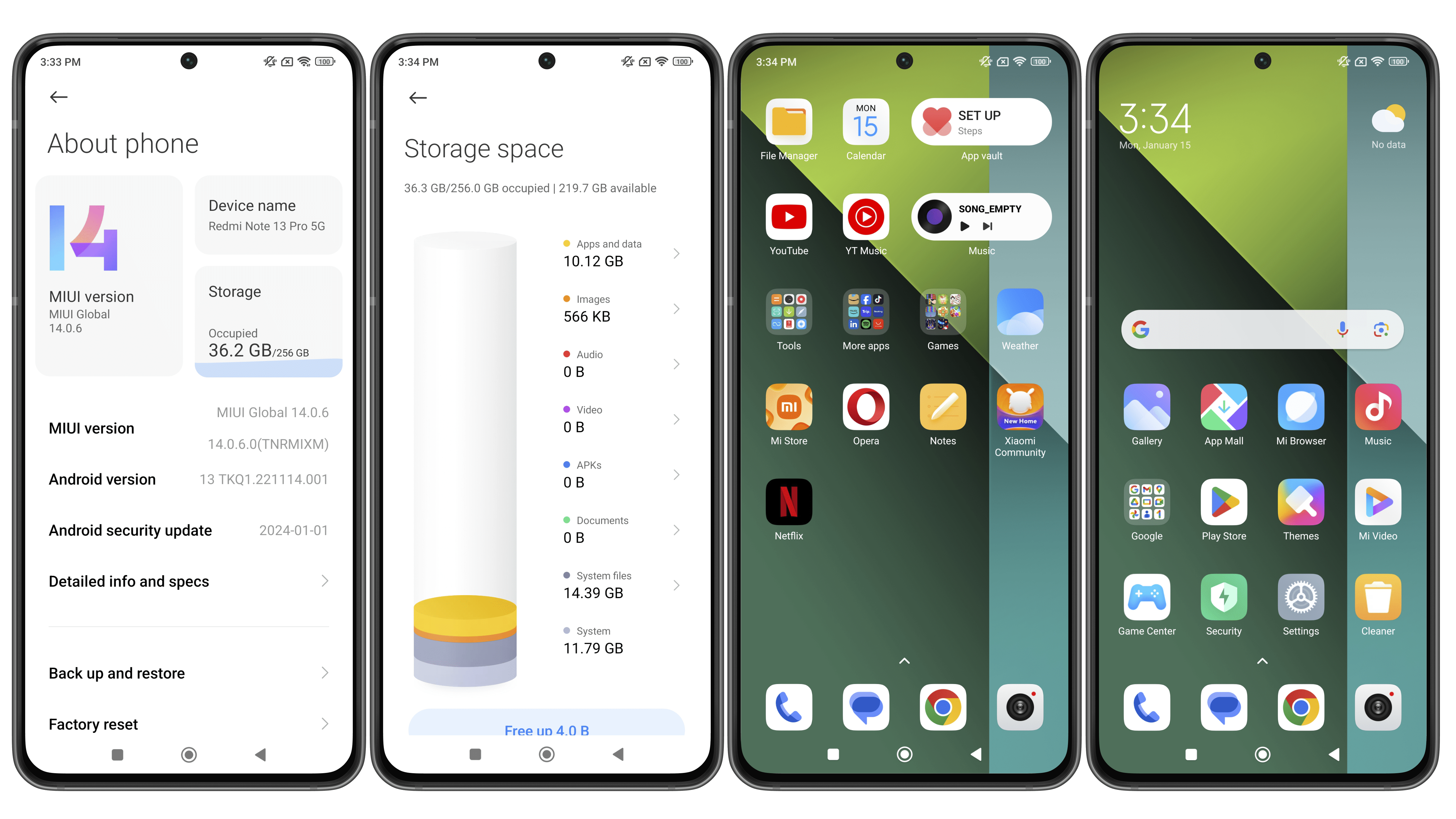
Redmi Note 13 Pro 5G
Xiaomi a déjà promis HyperOS pour le Redmi Note 13 Pro 5G / © nextpit

Gamme Redmi Note 13: Batterie et recharge

À l’exception du Redmi Note 13 Pro 5G, tous les Redmi Note 2024 sont équipés d’une batterie de 5000 mAh. Le 13 Pro 5G a une capacité supplémentaire de 100 mAh, probablement en raison de la plus faible efficacité énergétique du Snapdragon 7s Gen 2 fabriqué par Samsung.
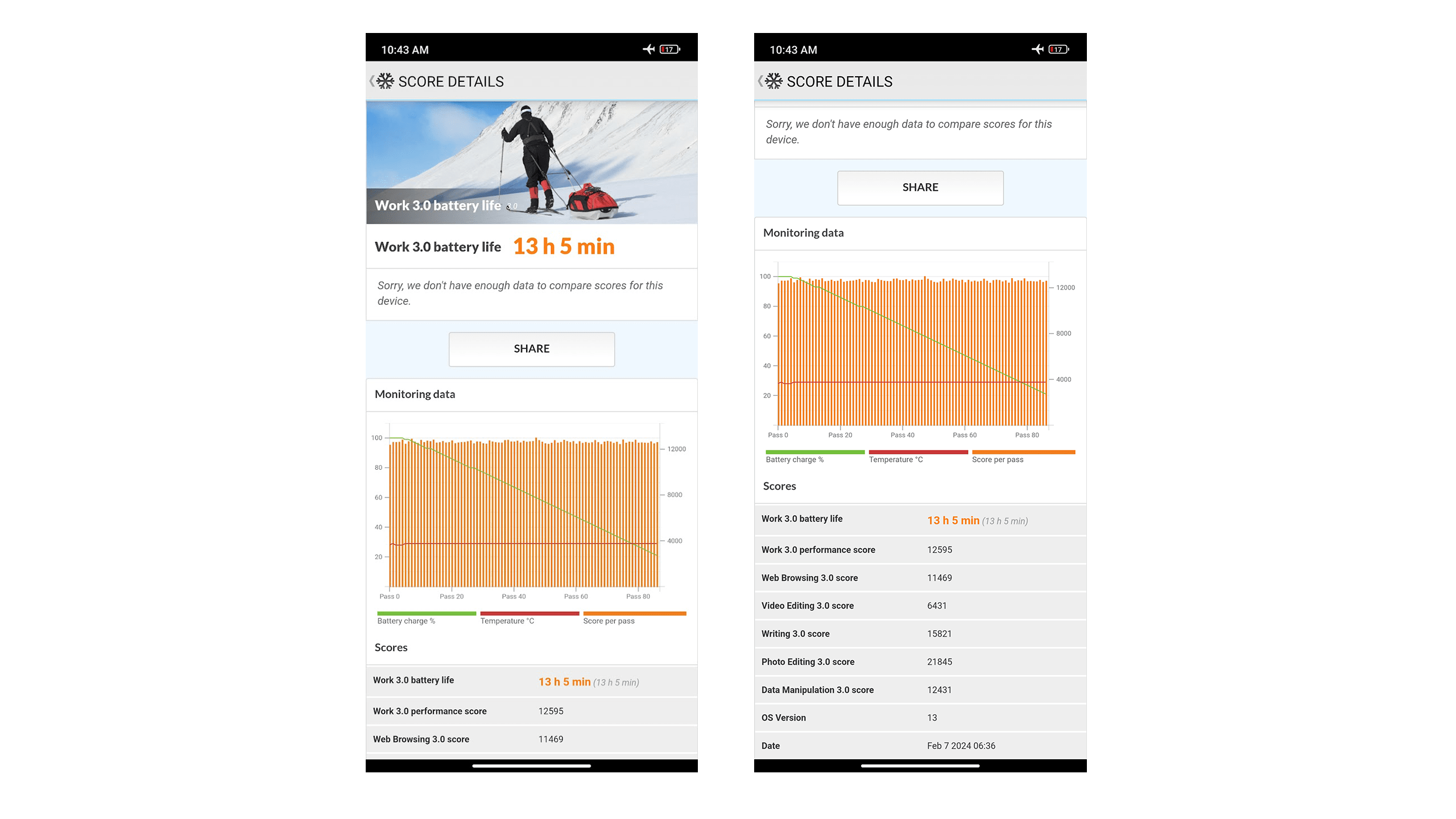
Redmi Note 13 Pro+
L’autonomie de 13h du Redmi Note 13 Pro+ est acceptable. / © nextpit Image source: nextpit

En ce qui concerne la recharge, Xiaomi conserve les bonnes caractéristiques des modèles précédents: le Note 13 de base offre une charge de 33 W, le Note 13 Pro passe à 67 W, tandis que le Note 13 Pro+ est équipé de l’HyperCharge 120 W de Xiaomi. Et contrairement à Samsung, Google et Apple, Xiaomi inclut un chargeur dans la boîte.
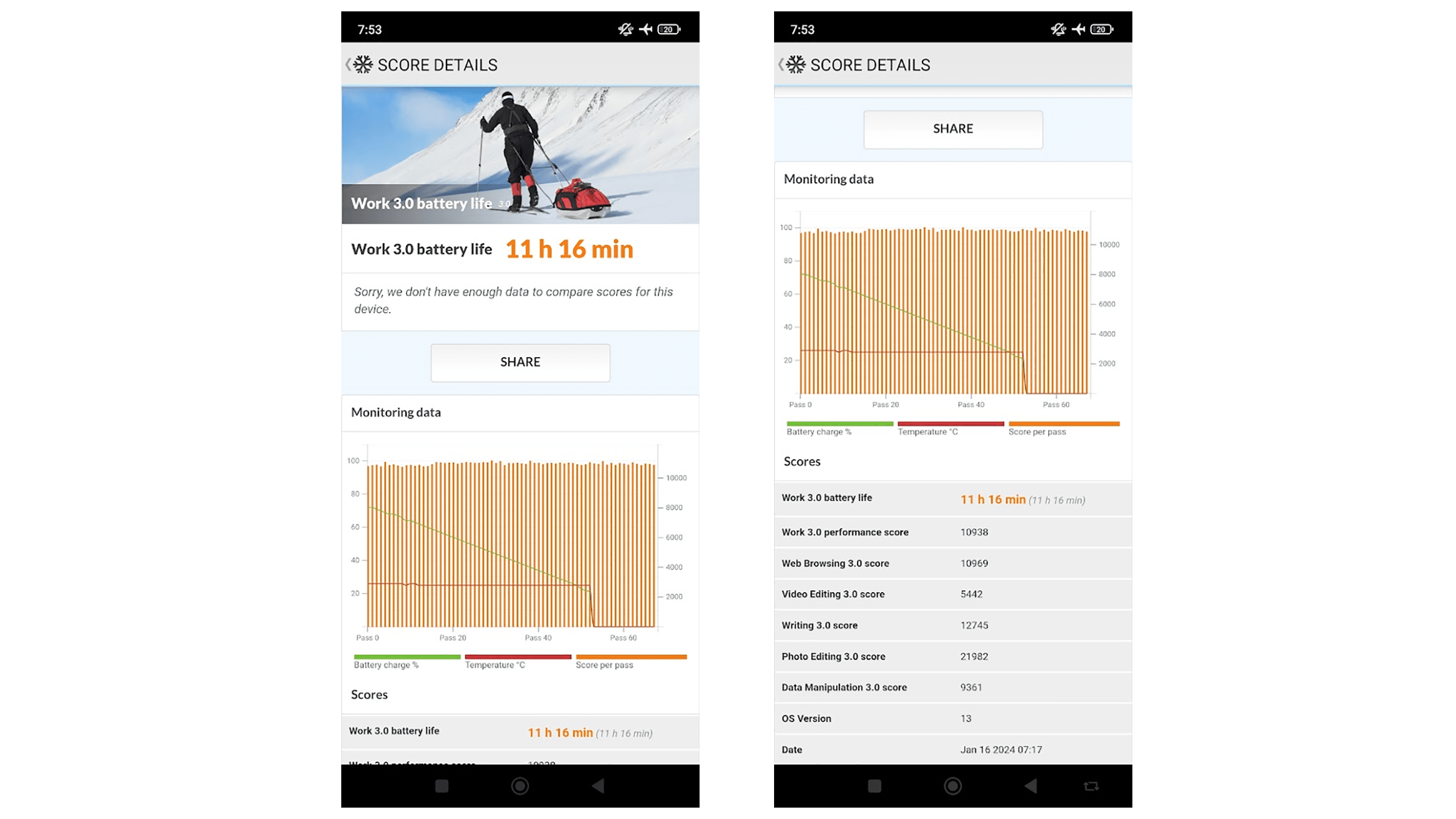
Xiaomi Redmi Note 13 5G
Sur le Redmi Note 13 5G, l’autonomie n’est pas franchement meilleure. / © nextpit

Conclusion

Xiaomi a repris les principaux arguments de vente de la gamme Redmi Note 12 dans celle des Redmi Note 13 de 2024. Des objectifs photo haute résolution, une recharge rapide et, sur le papier, un bon rapport qualité-prix.

En pratique, les modèles sont étonnamment différents les uns des autres, surtout au niveau du SoC. Mais on n’a pas vraiment ressenti cette différence en termes de performances durant nos tests. L’autonomie des différents modèles n’était pas non plus spectaculaire. Mais la qualité photo des modèles les plus chers, équipés de ce fameux objectif de 200 MP était plutôt convaincante.

Personnellement, je vous conseillerais plutôt d’acheter le Redmi Note 13 Pro+ 5G. C’est le modèle le plus complet de ce comparatif. Le Redmi Note 13 Pro 5G peut être une alternative un peu moins chère. 

Que pensez-vous de la gamme des Redmi Note 13? Avez-vous aimé le nouveau look? Vous attendiez-vous à des changements plus importants en termes de fiche technique ou de prix?